Consider this paradox: if something must be mandated by law to be used as money, is it really good money?
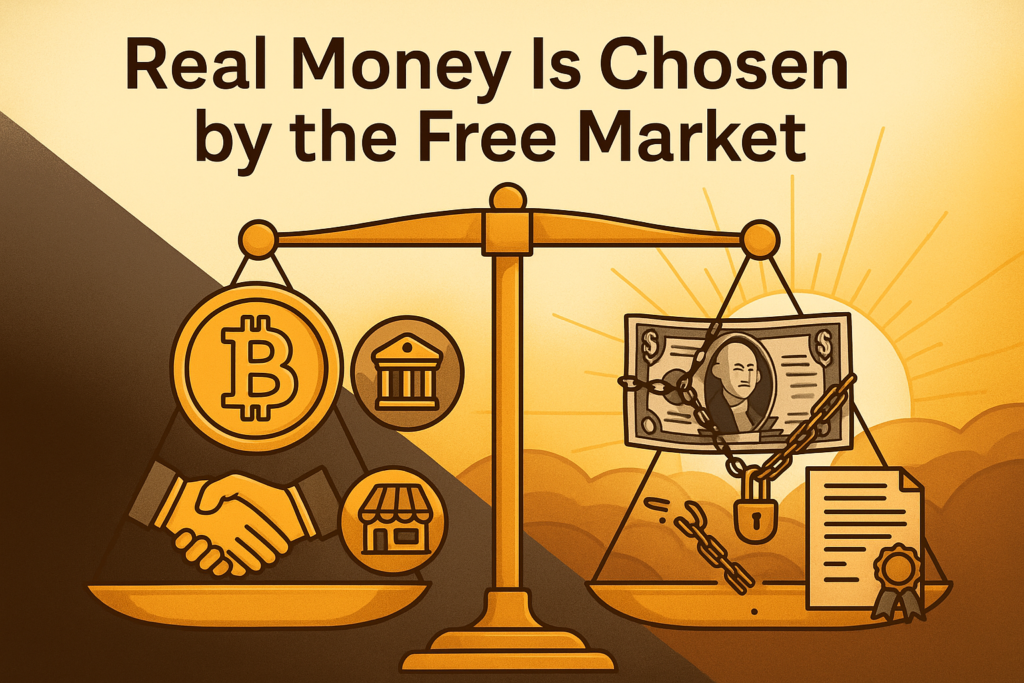
History offers a clear answer—no. Good money is never imposed; it is always freely chosen by the people who use it. The free market, through countless voluntary interactions, naturally selects the best medium of exchange. It does so based on simple but powerful criteria: eg. scarcity, divisibility, saleability, durability, and trustlessness.
Gold Was Not Mandated—It Was Adopted
Gold became money not by decree, but through consensus. Over centuries, societies independently identified gold as uniquely suited for storing value and facilitating trade. Why? Because gold was scarce, durable, easily recognizable, and could be divided without losing its value. These intrinsic qualities made it desirable across cultures and continents.
Legal Tender Laws Exist to Prop Up Weak Money
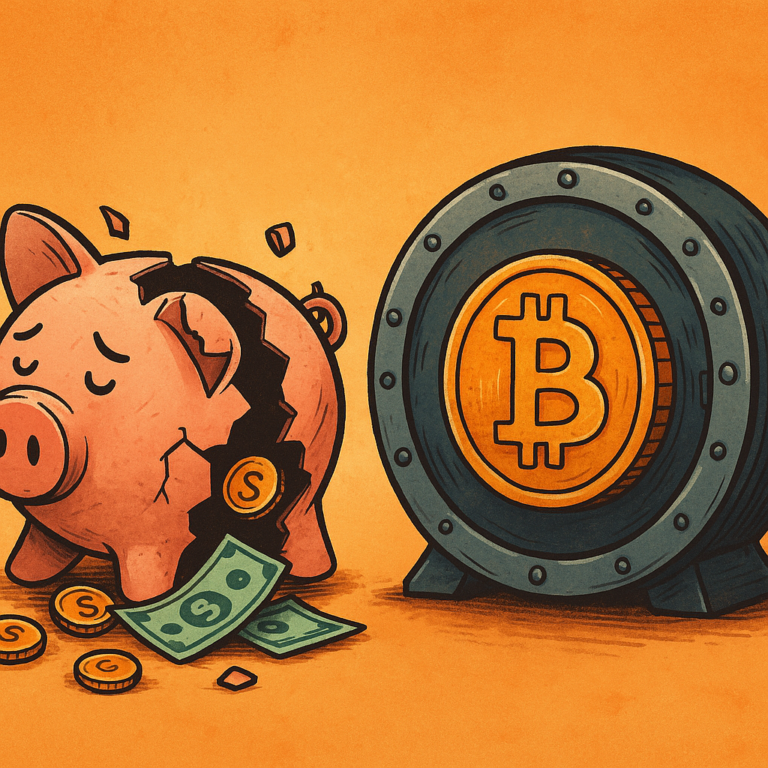
Governments introduce legal tender laws to avoid their chosen money ever competing in a free market. Inevitably, as a currency loses trust—due to inflation, debasement, or political instability—people naturally seek better alternatives. Legal tender laws are the government’s attempt to prevent this market-driven shift by forcing citizens to accept a money they would otherwise reject.
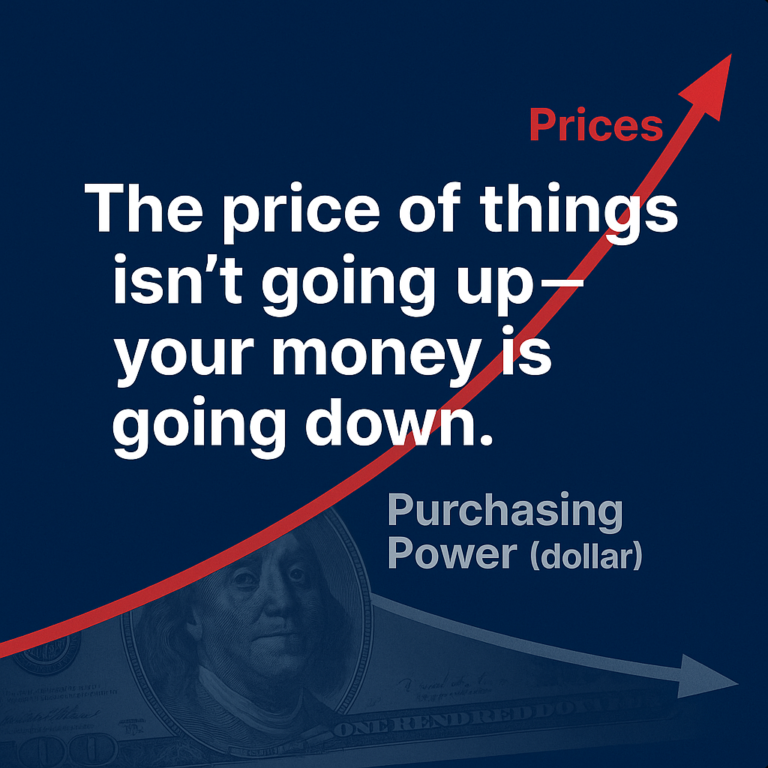
Good money doesn’t require coercion because it naturally aligns with people’s best interests. It is voluntarily chosen because it reliably stores value and facilitates exchanges without manipulation or loss of purchasing power.
Good Money Doesn’t Need Force
Imagine a market where consumers are compelled by law to purchase a specific product. You’d likely suspect that product is inferior—otherwise, why the need for compulsion?
The same logic applies to money. Governments wouldn’t need to mandate the use of their currency if it genuinely served people’s best interests. The moment coercion is necessary, it reveals the inherent weakness and inferiority of that currency.
Bitcoin: Money Chosen Freely by the Market
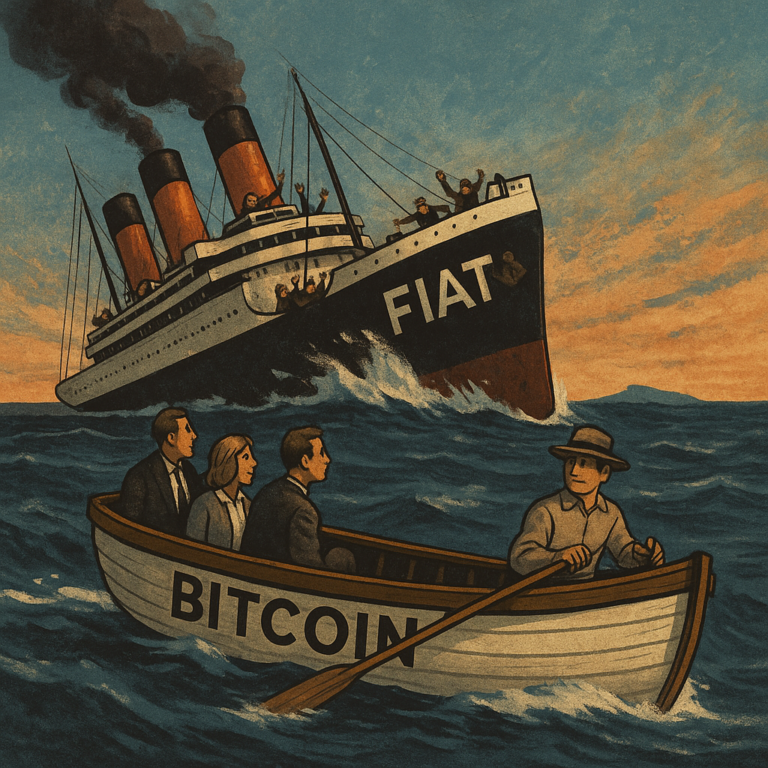
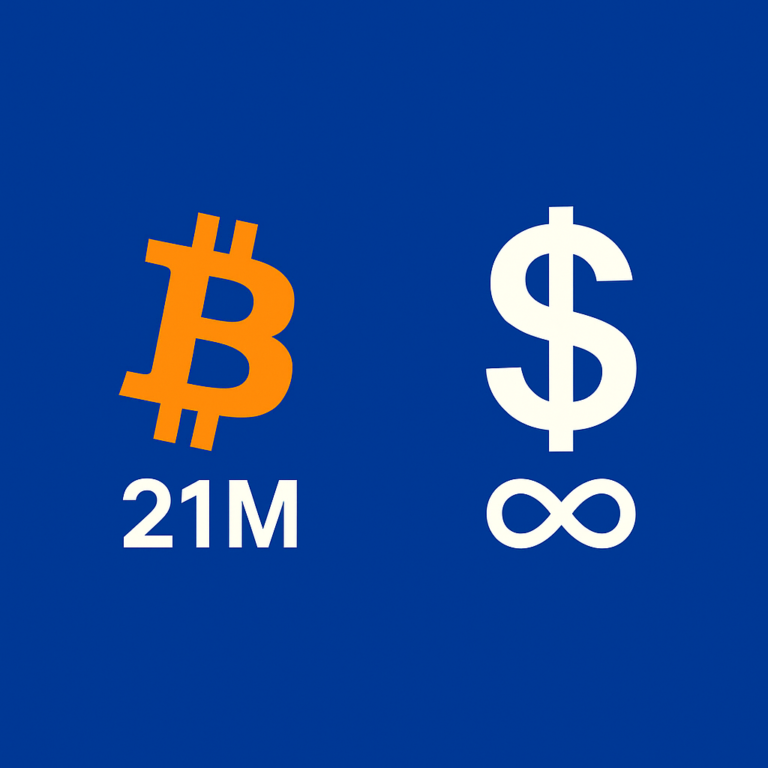
In the modern era, Bitcoin stands apart from fiat currencies because it did not originate from government decree, corporate interest, or political ideology. Instead, Bitcoin is emerging organically as money with more and more people recognizing its unique properties—digital scarcity, decentralization, transparency, and resistance to censorship.
People are freely choosing to store their time and energy in Bitcoin because it embodies the qualities essential to good money. No laws compel its use. It has arisen naturally from the free market as individuals and businesses increasingly recognize its advantages over fiat currency.
The Bottom Line
- Real money doesn’t come from legal mandates; it comes from free choice. The market instinctively identifies and selects the best form of money through voluntary, decentralized decisions.
- Legal tender laws do not legitimize money; they expose its weaknesses.
- We must shift our perspective from asking, “What currency am I required to use?” to asking, “Which money best protects my wealth, preserves my freedom, and stands the test of time?”
- Bitcoin is money chosen freely by the market. It’s time to trust our own judgment—not coercive laws—to determine what serves us best.