“I don’t believe we shall ever have a good money again before we take the thing out of the hands of government.” – Friedrich Hayek
The belief that money must be tied to a nation-state is one of the most enduring myths in modern economic thought. But this idea collapses under historical scrutiny and logical examination. Real money transcends borders, politics, and flags—it is a tool of commerce, not a weapon of statecraft.
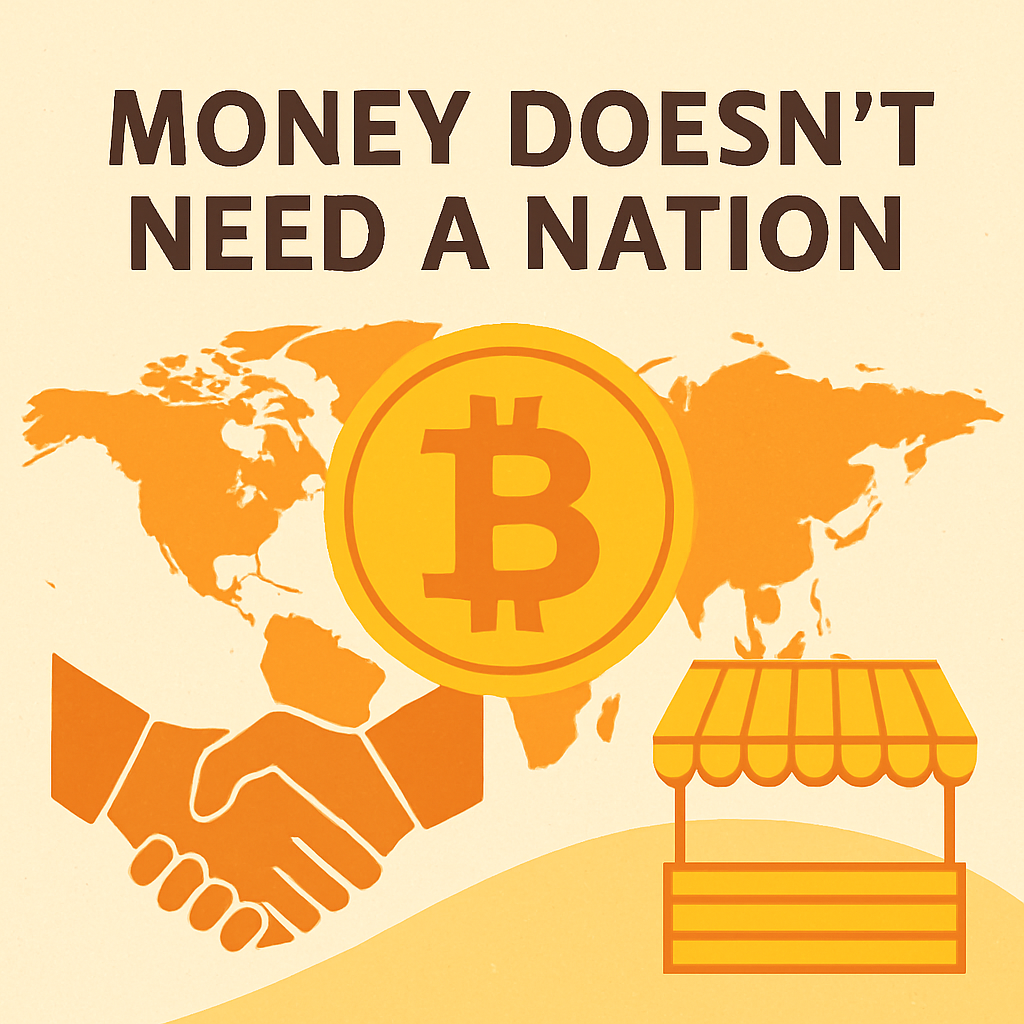
Money Exists Beyond Borders
Money existed long before modern nation-states. Ancient trade routes like the Silk Road were bustling with cross-border commerce using gold, silver, and other forms of money that had nothing to do with national identity. Traders didn’t need passports to transact, nor did their money come stamped with a political allegiance.
Throughout history, the best money was always the one that could move freely across borders and cultures. From Roman denarii to Venetian ducats to British gold sovereigns, the most trusted forms of money were those that weren’t confined to any single polity. They were accepted because of their reliability—not their nationalism.
National Money Serves Political Interests
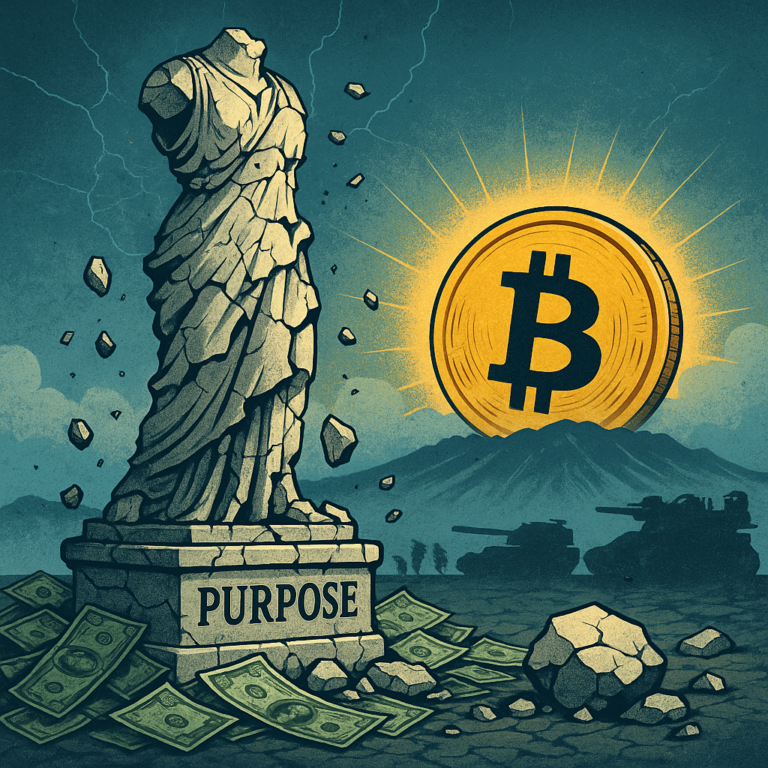
When money is tied to a nation, it inevitably becomes a tool for that nation’s agenda. Governments manipulate currency to fund wars, bail out banks, and finance deficits. They print, devalue, and distort at will—all at the expense of the people forced to use it.
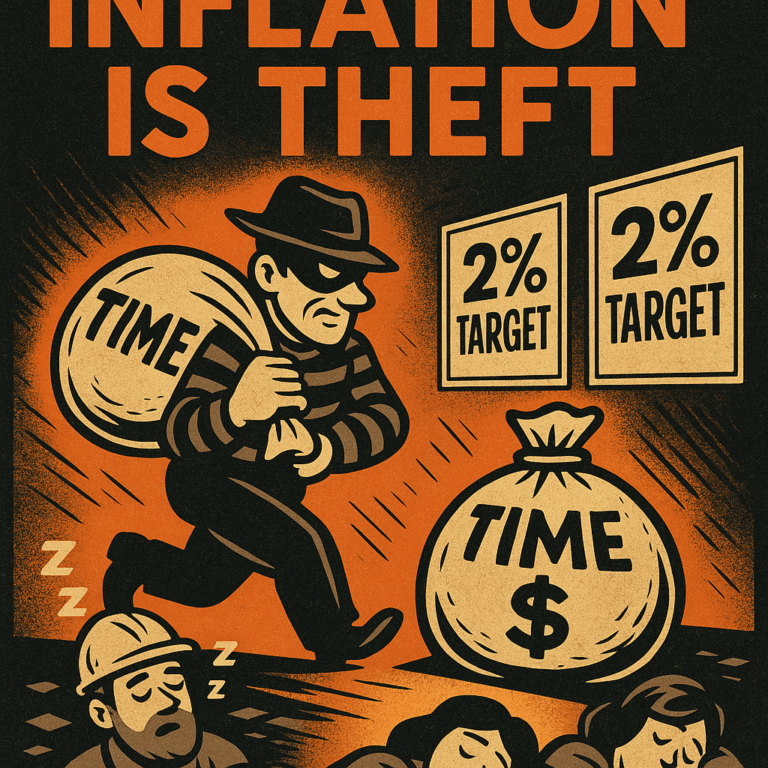
Tying money to national identity creates artificial dependencies. It turns money into a loyalty test rather than a neutral tool of exchange. And it gives governments a monopoly on an essential good (the intermediate good that is money), allowing them to extract value from their citizens without accountability.
The Best Money Is Neutral and Borderless
True money should be politically neutral. It should serve those who use it—not those who issue it. This is why decentralized, non-state money is so powerful. It breaks the monopoly and restores monetary choice.
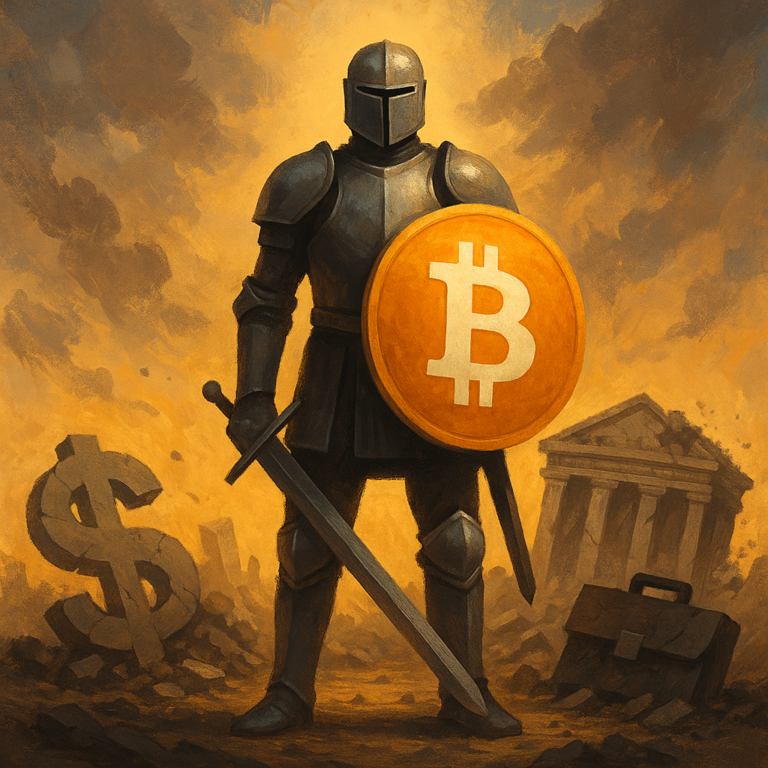
Bitcoin exemplifies this neutrality. It doesn’t care where you live, what party you vote for, or what country you were born in. It is accessible to anyone with an internet connection, and it operates by open-source code rather than closed-door policy.
Money Should Be Hard to Corrupt, Not Easy to Control
National currencies are only as trustworthy as the regimes that control them. When you put money in the hands of politics, you tie your financial future to election cycles, central banks, and military budgets.
But when money is separated from the nation-state, it becomes harder to corrupt. It returns to its essential role: storing value, facilitating exchange, and preserving freedom. This is the essence of sound money.
The Bottom Line
- Money doesn’t need a nation. It doesn’t need a flag, a central bank, or a legal tender law.
- It needs to be scarce, durable, and trusted—not because the government says so, but because the people do.
- The best money is borderless, neutral, and incorruptible. Bitcoin is not national—it is global. And that’s exactly why it works.