Where trust fails, physics prevails.
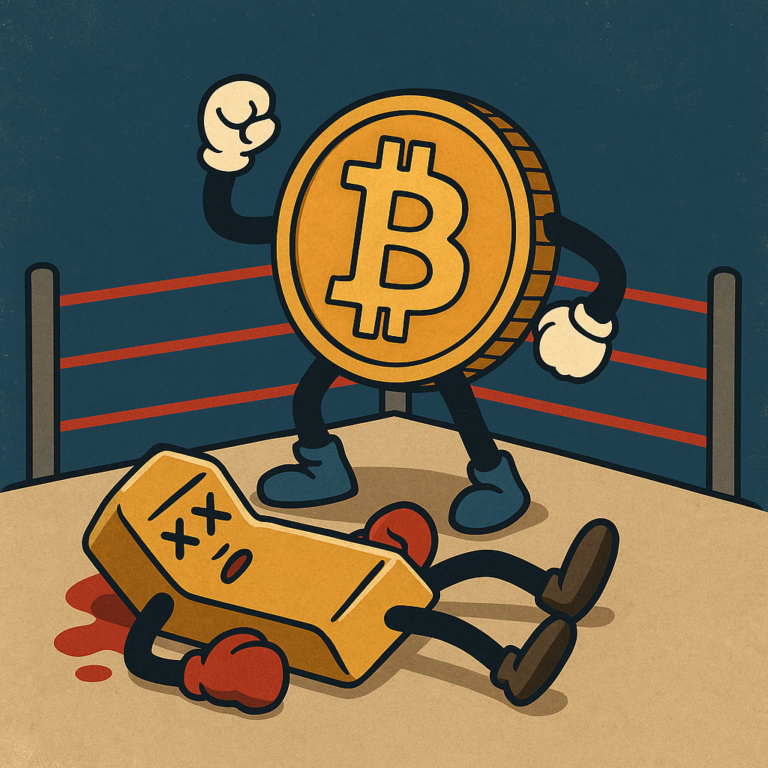
Fiat Is Backed by Force. Bitcoin Is Backed by Physics.
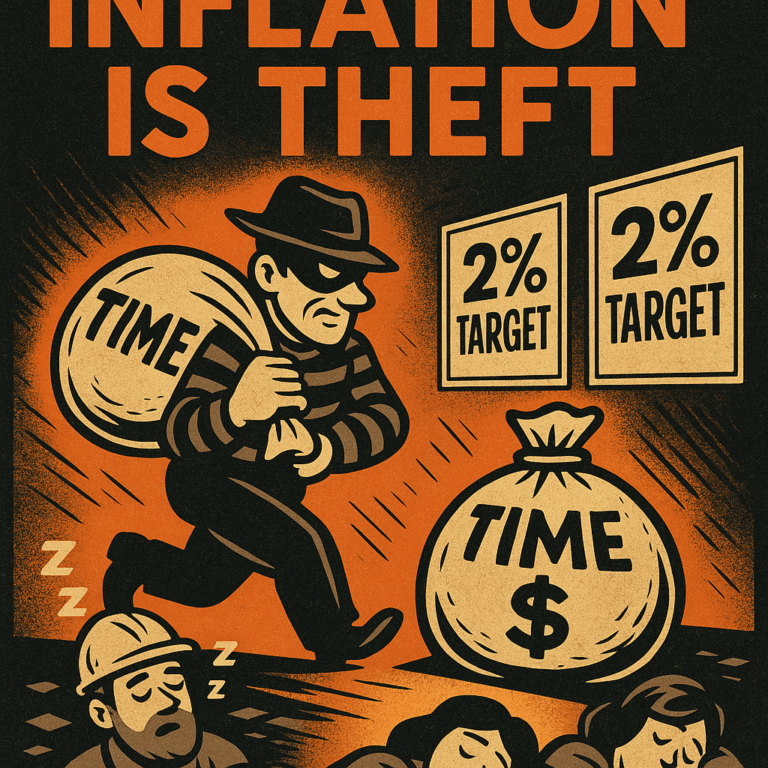
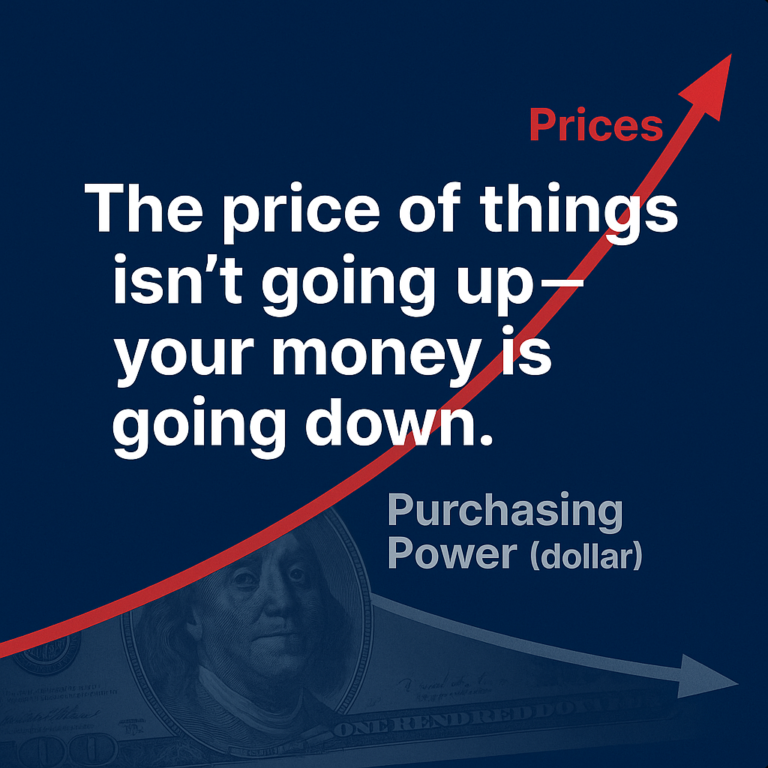
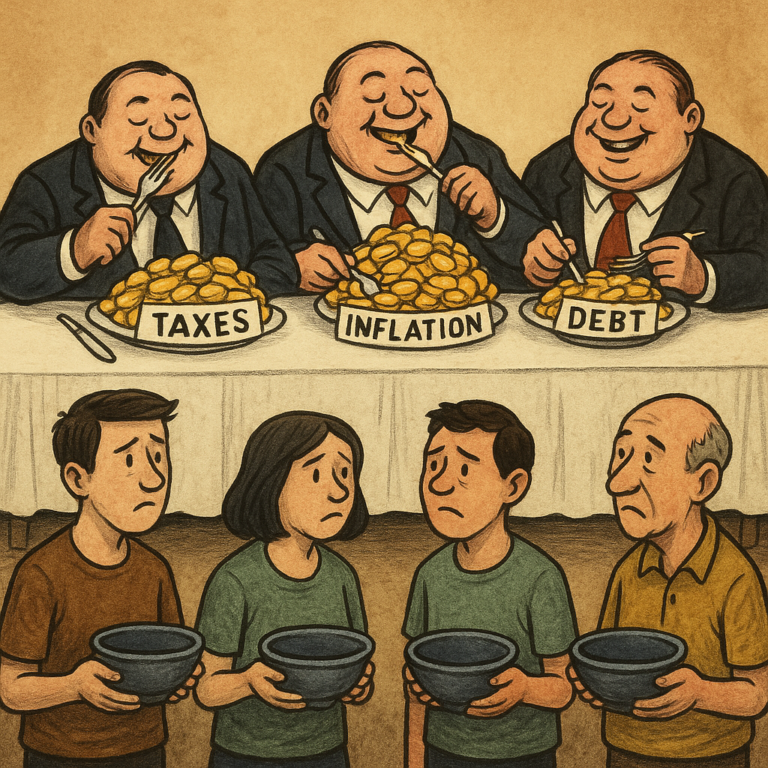
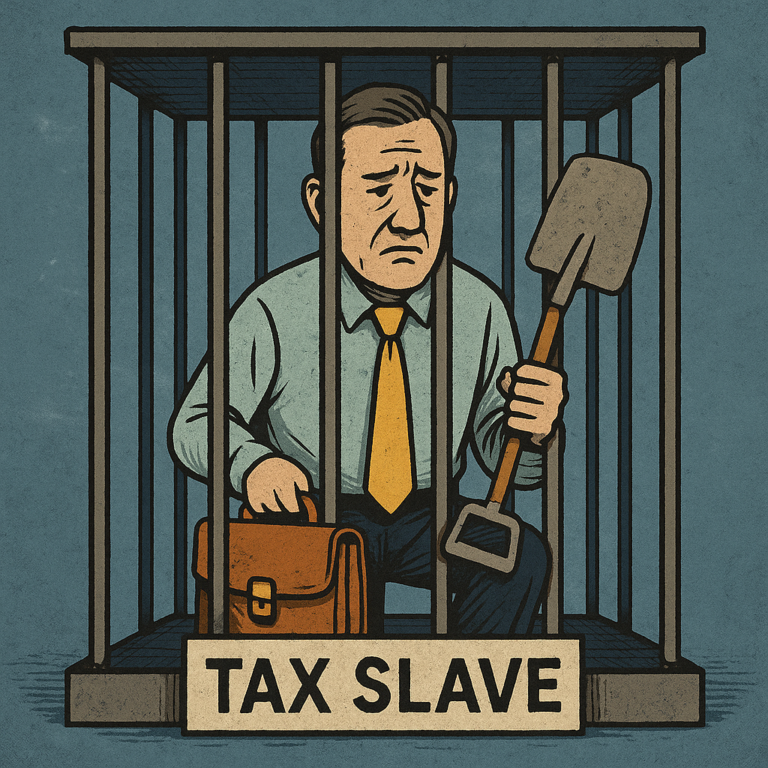
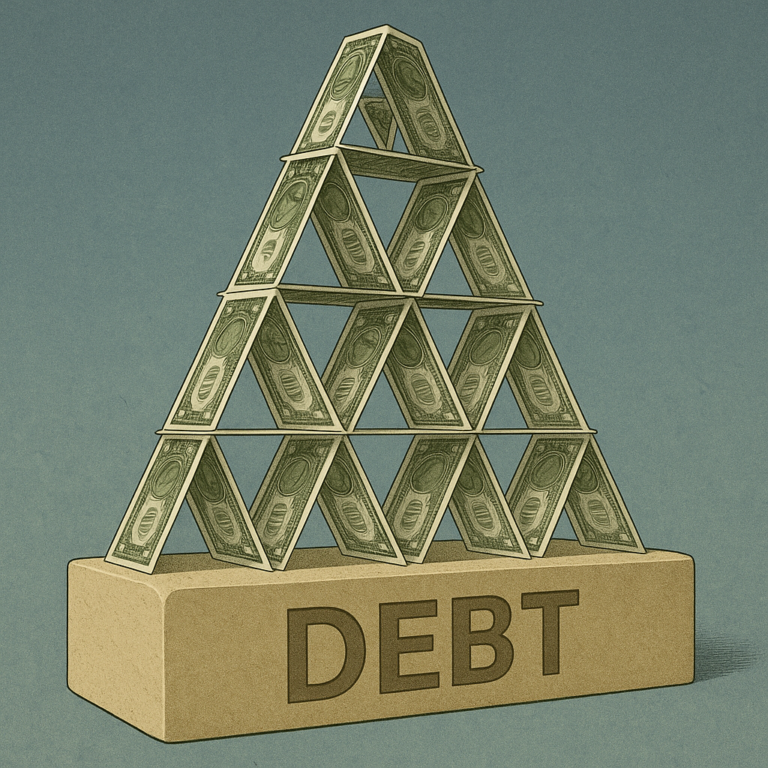
Fiat currencies are backed by nothing but coercion. You are legally required to use them. You pay taxes in them. And if you try to opt out, the state will remind you—ultimately with guns—that there is no alternative.
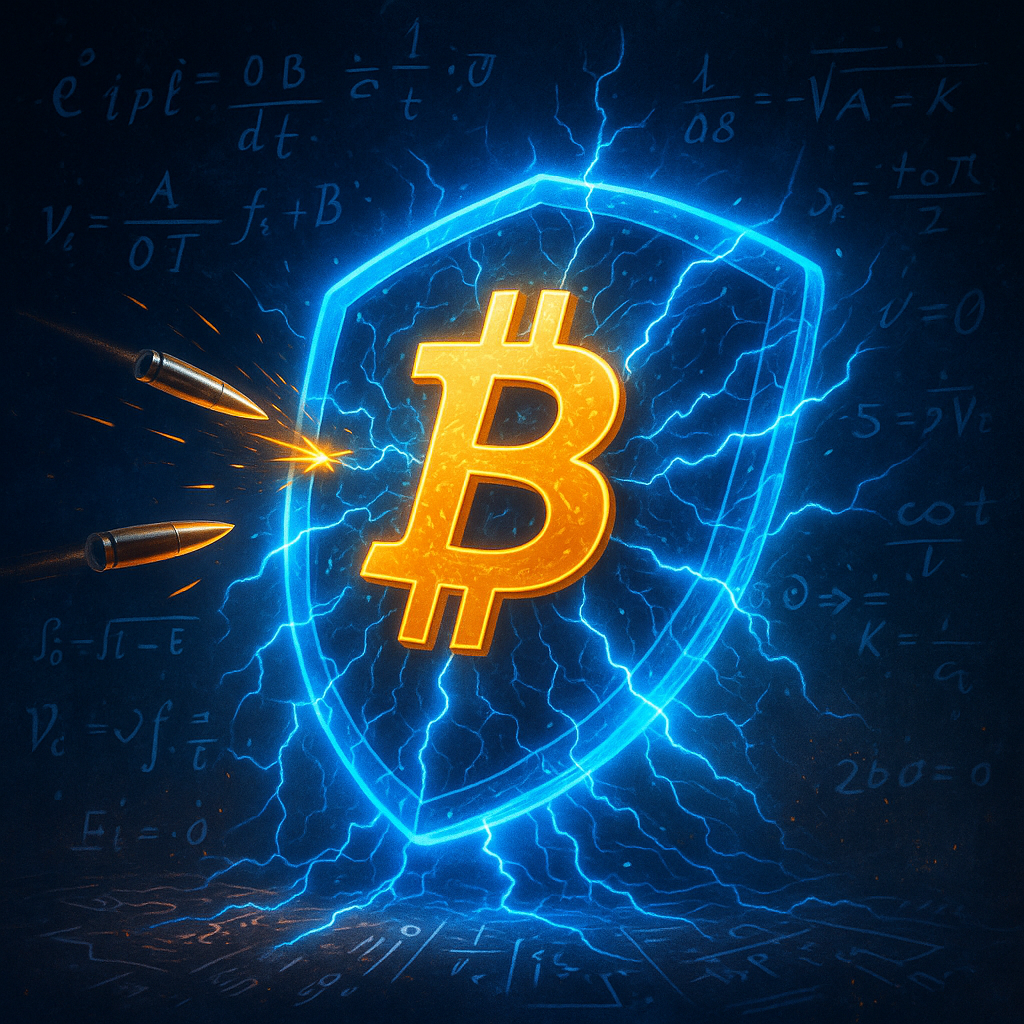
Bitcoin is backed by something else entirely: energy, math, and thermodynamic truth. It runs not on promises or political will, but on computation and competition. Its rules aren’t enforced by men. They are enforced by physics.
Proof-of-Work Makes Bitcoin Real
At the heart of Bitcoin is proof-of-work mining—a consensus mechanism where miners compete by expending real-world computational energy (hashrate) to find a digital needle in a cryptographic haystack.
This energy-intensive process secures the network by making it prohibitively expensive to alter past transactions. Rewriting Bitcoin’s history would require redoing all the accumulated work faster than the rest of the network combined.
In practice, this is not just improbable—it’s physically impossible. Bitcoin is immutable not because of code alone, but because of entropy and economic game theory.
Embedded in the protocol is the difficulty adjustment, a self-regulating mechanism that increases the size of the haystack as more hashrate comes online. This ensures the network remains secure even as computational power grows—future-proofing Bitcoin against Moore’s Law.
Bitcoin Uses Energy—But to Replace Violence
Critics like to point out Bitcoin’s energy use. But they rarely ask: compared to what?
Fiat money requires standing armies, militarised police, aircraft carriers, SWIFT surveillance systems, and state propaganda machines to maintain supremacy and control. Those systems consume vastly more energy—both directly and through the wars they wage to preserve dollar hegemony.
Bitcoin, by contrast, uses energy to replace violence. It turns electricity into trust. It creates the first global monetary network secured not by weapons or trust in men, but by pure math.
Much of Bitcoin’s energy is also renewable or stranded—pulled from excess hydro, flared natural gas, or remote solar farms that would otherwise waste their output. Bitcoin consumes what others discard, and pays for energy in places no other market can reach.
Contrary to popular belief, the earth doesn’t have an energy shortage—it has an energy coordination problem. Bitcoin helps solve that by monetising surplus energy anywhere on the planet.
You Can’t Bribe Physics
No one can change the rules of Bitcoin. Not a president, not a CEO, not a billionaire, not even the developers. There is no backdoor. No override switch. No one has the power to inflate the supply, censor a transaction, or alter the rules unilaterally.
That’s because Bitcoin’s enforcement doesn’t rely on trust—it relies on thermodynamic cost and cryptographic proof. If you don’t like the rules, you can fork the code—but you can’t convince the world to follow you without overwhelming consensus and incentive alignment.
Bitcoin is incorruptible because no individual controls it—and because every participant has more to gain from protecting the system than subverting it.
The Bottom Line
- Fiat is backed by guns and lies. Bitcoin is backed by energy and truth.
- It’s not a promise. It’s a discovery. It’s not enforced by men—it’s enforced by math.
- Bitcoin removes the need for trust by making betrayal unworkable. In a world full of lies, it offers something rare: incorruptible certainty.