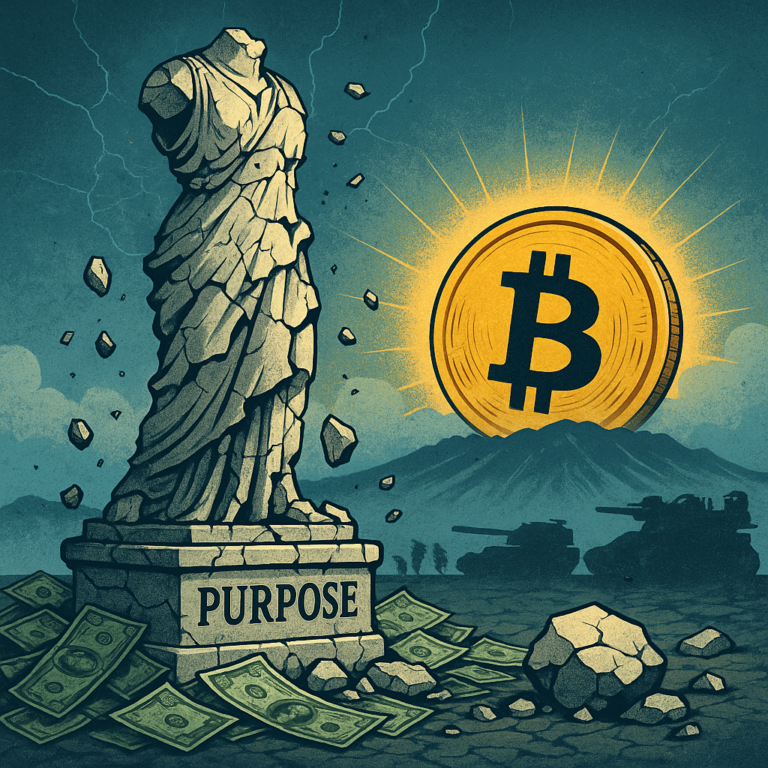
“Abundance in money creates scarcity in things; Scarcity in money creates abundance in things.” ~ Jeff Booth
More Expensive ≠ More Valuable
The rent is higher. Groceries cost more. Insurance premiums spike. But your house didn’t suddenly get bigger. The food isn’t more nutritious. The services aren’t more luxurious.
You’re not living better—you’re just paying more to stand still.
Lifestyle Inflation Is a Mirage
We’re told that rising costs are a byproduct of progress and that a ‘target inflation rate’ of ~2% is a sign of a “healthy” economy, but that’s a convenient lie.
The truth is that costs are rising because a portion of our time and energy is being siphoned into the hands of those closest to the money printer. The resulting inflation eats away at your purchasing power while wages lag behind. And so, families are forced to work more hours or go into increasing debt just to maintain what their grandparents could afford on a single income.
You’re Working Harder Just to Stay Afloat
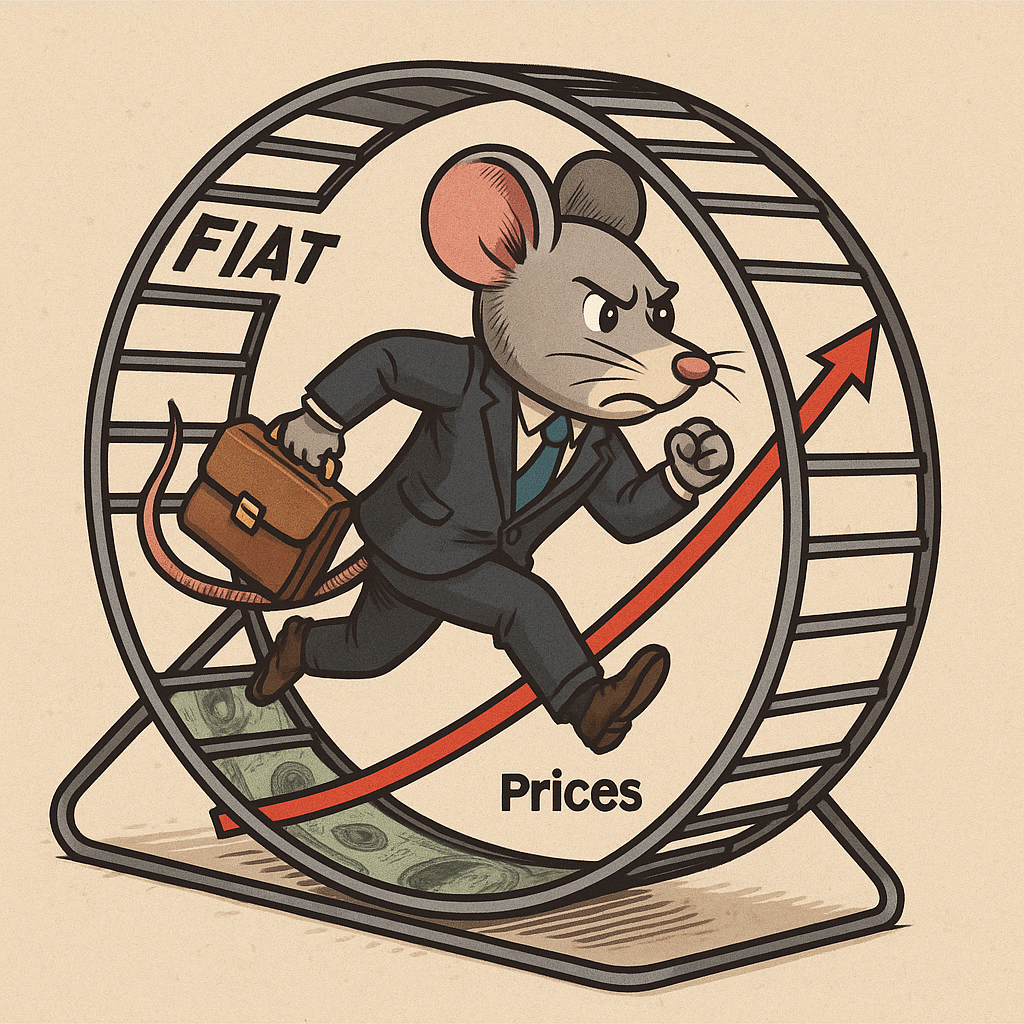
The average household is running faster on the hamster wheel. More hours. More side hustles. More stress. But the quality of life—the free time, the freedom, and peace—doesn’t improve. It often gets worse.
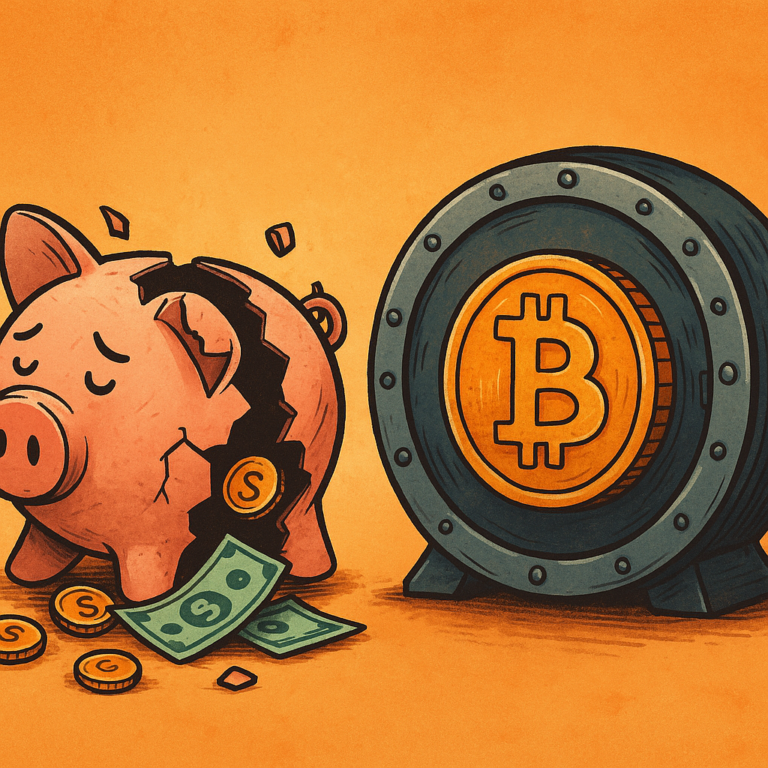
This is the hallmark of fiat decay: more input for less output. You’re forced to burn more of your life energy just to benefit a system complicit in theft and deceit.
In a Sound-Money World, Progress Lowers Expenses
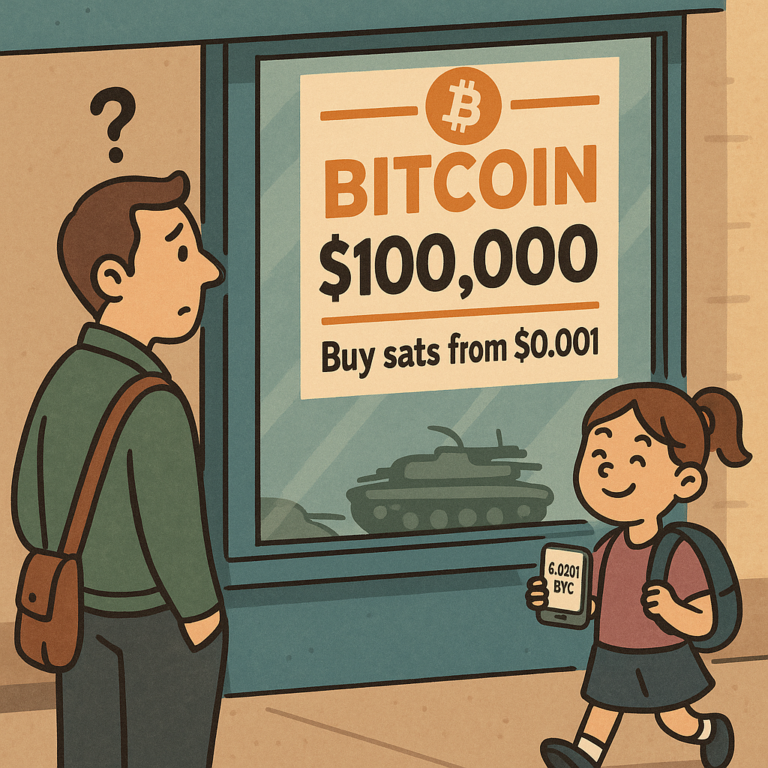
Under a Bitcoin standard, where the money holds its value and technology drives efficiency, prices should fall over time. Deflation is not the enemy—it’s a dividend of progress.
Deflation is the natural result of human ingenuity and free-market competition. As productivity increases, the ‘pie’ of goods and services will grow, leading to lower prices, and increased general prosperity. It reflects the reality that we can do more with less.
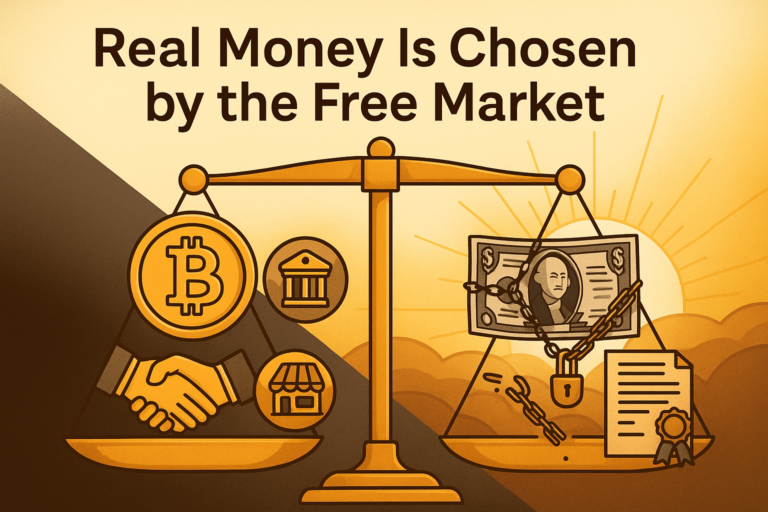
But fiat money reverses this. Governments and central banks inject new money into the economy under the guise of supporting the people, but the reality is far from benevolent. They inflate your money to increase their asset prices, prop up their debts, and strengthen their grip on centralised control.
Fiat Steals the Gains of Progress
Inflation is not evenly distributed. Those closest to the money printer—the government, large banks, and politically connected corporations—receive the new money first. This is the Cantillon Effect: the first recipients benefit from spending new money at face value before prices rise, while the rest of society faces the inflationary consequences.
So even as technological innovation makes goods easier and faster to produce, those savings are not passed on to you. Instead, they are silently absorbed by deliberate inflation and redirected toward the elite. You’re paying more, not because things cost more to make—but because the system is siphoning your share of progress.
The result? You work harder, see fewer benefits, and wonder why prosperity feels out of reach.
The Bottom Line
- Your cost of living is rising. But your quality of life isn’t.
- Fiat creates the illusion of progress while quietly stealing your share to enrich those closest to the money printer.
- Bitcoin, by virtue of its fixed supply, restores the link between human progress and individual benefit. Through scarcity in money, bitcoin reintroduces material abundance, and ensures that progress is fairly distributed.