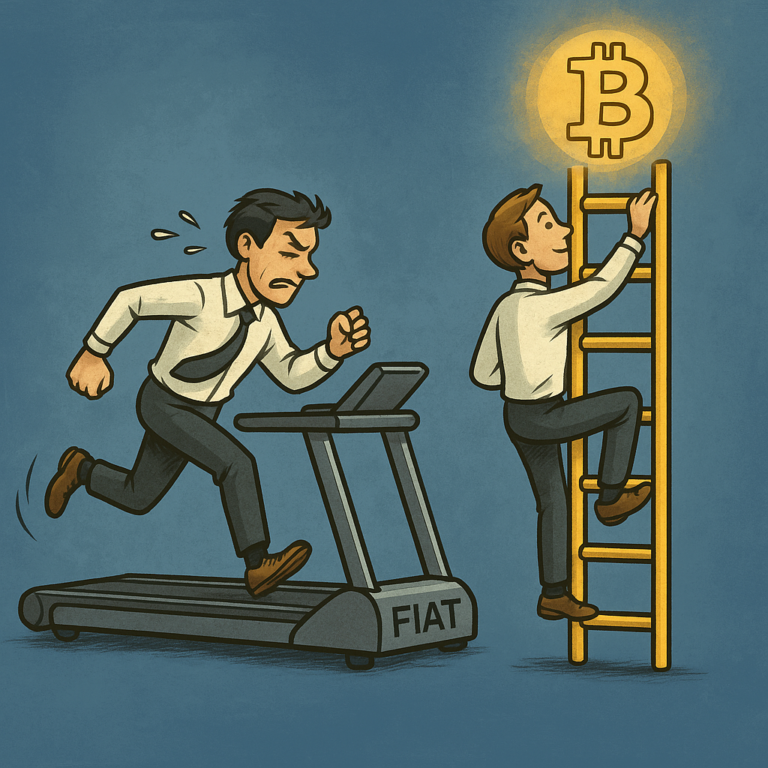
Bitcoin is volatile, but fiat is risky.
Bitcoin Is Volatile—But Antifragile
To the untrained eye, Bitcoin’s price swings make it look dangerous. But volatility is not a measure of failure—it’s a sign of life. New technologies, free markets, and early adoption curves all come with sharp movements.
Bitcoin is volatile because it’s finding its place in the world. It’s going from zero to global reserve currency. That path won’t be smooth—but it’s proving resilient. In fact, Bitcoin is antifragile: it strengthens under pressure. It has survived countless attacks, crashes, bans, and media obituaries—and emerged stronger every time.
Fiat Feels Stable—Until It Isn’t
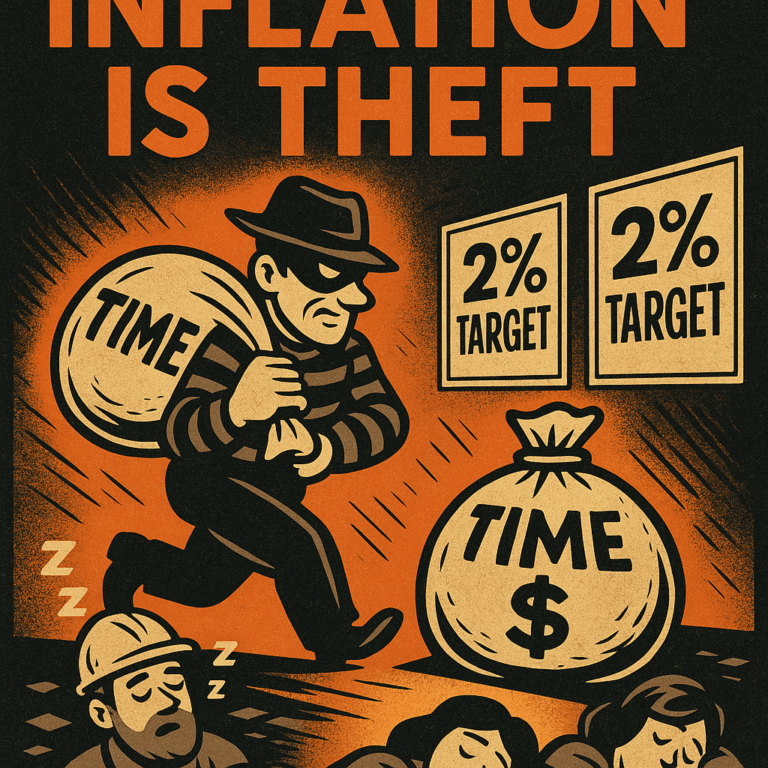
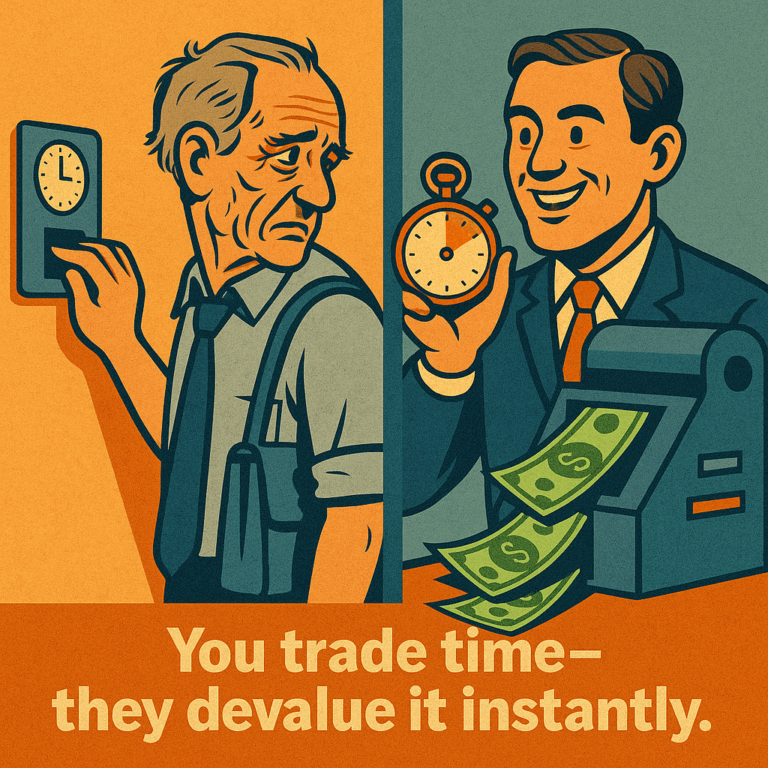
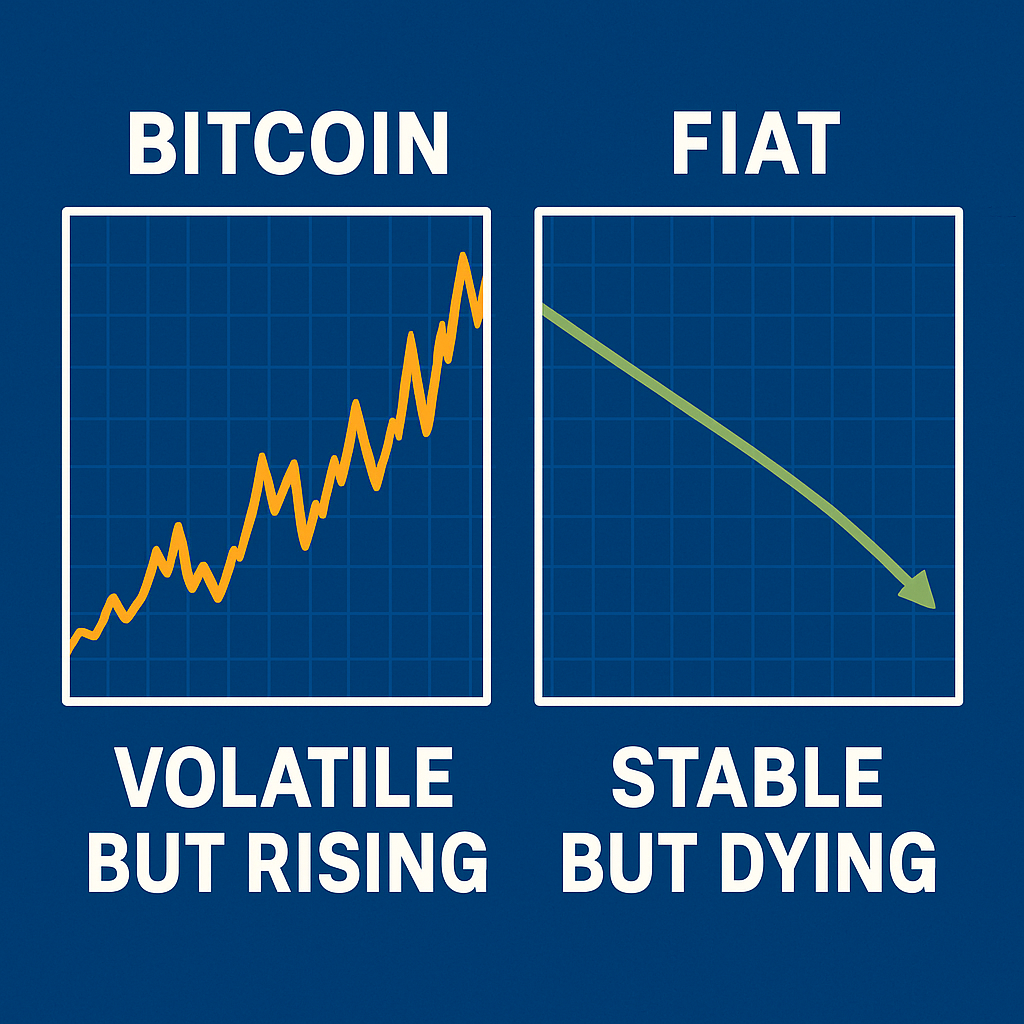
The dollar doesn’t jump up and down on a chart. It degrades slowly, silently. That stability is an illusion. The purchasing power of fiat currencies has been falling steadily for decades.
Over the past 50 years, the U.S. dollar has lost more than 90% of its purchasing power, while Bitcoin has appreciated over 30,000% since its inception in 2009. What looks like fiat stability is actually steady decay—Bitcoin’s volatility, by contrast, has delivered outsized and lasting returns.
The Risk-Reward Ratio Favours Bitcoin Now More Than Ever
Many assume they “missed the boat” because they didn’t buy Bitcoin when it was under $1,000. But here’s the truth: the risk-reward ratio is better today than it’s ever been. Why?
Because Bitcoin today is battle-tested. It has a secure, decentralized infrastructure. It’s being adopted by institutions. It’s survived nation-state attacks. And it’s more robust than it was when it was “cheap.”
Back then, it was a bet on an unproven idea. Now, it’s the most powerful and secure decentralised network on planet earth, and a legitimate contender for the next world-reserve currency.
Nobody Who Held Bitcoin for More Than Four Years Has Lost Money
History doesn’t repeat, but it often rhymes. And so far, the record is clear: anyone who held Bitcoin for four years or more—across any entry point—has come out ahead.
That’s not a speculative claim. It’s a statistical reality. Long-term holders are consistently rewarded. Volatility punishes short-term traders, not long-term believers. The mantra “stay humble and stack sats” (aka. ‘satoshis’, bitcoin’s subunits) has proven to be a viable and simple alternative to stock picking or active trading, and without the fees and tax consequences.
Bitcoin’s Volatility Is a Fiat Illusion
When people complain that Bitcoin is volatile, they are measuring its price in terms of fiat. One day when Bitcoin becomes the worldwide unit of account—the standard of measurement in which all goods and services are priced—its volatility in fiat terms will dissipate into irrelevancy. Prices will stabilise relative to Bitcoin itself, and what once appeared as wild swings will resolve into economic clarity.
The Bottom Line
- Bitcoin’s volatility isn’t a bug—it’s just a feature of a free market pricing a new monetary standard.
- Volatility signals transformation, not danger. Fiat feels stable while it quietly steals your time and value. Bitcoin feels chaotic while it steadily succeeds.
- Over time, as bitcoin becomes a more widely adopted store of value, its volatility will dissipate. At that point you’ll no longer be able to buy bitcoin with fiat. Instead, you’ll have to earn it with time and energy.