Real progress means doing more with less—not printing more to hide decay.
The Great Keynesian Myth
For decades, economists and policymakers have preached a gospel: inflation is necessary for economic growth. Like a doctor prescribing a small daily poison to ensure vitality, they argue that a little debasement keeps the economy running smoothly.
But this isn’t medicine—it’s malpractice. Inflation doesn’t create growth. It distorts it. It masks structural weakness, fuels malinvestment, and erodes trust in money itself.
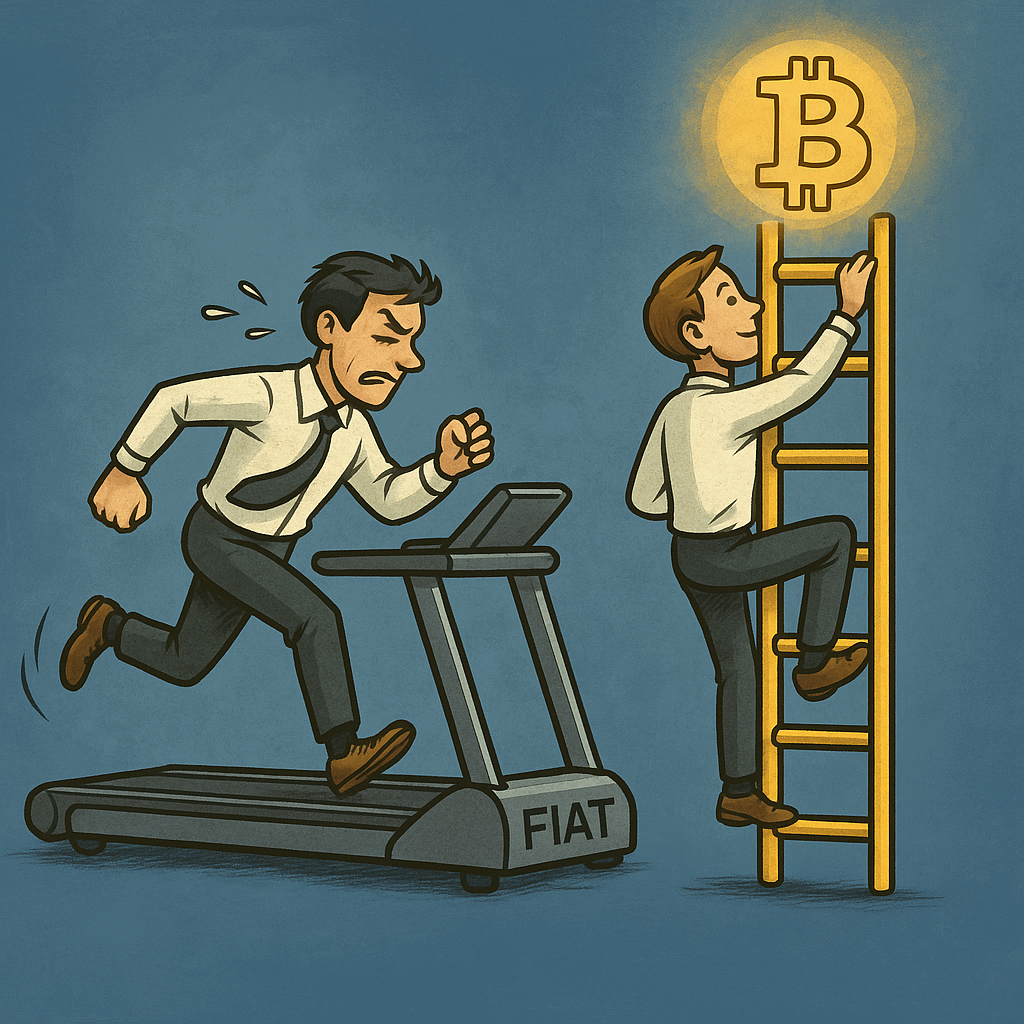
Technological Deflation Is Natural—and Good
Innovation is inherently deflationary. Better tools, faster networks, and smarter systems reduce costs and increase productivity. Prices should fall over time. That’s a feature, not a flaw.
When you let deflation work, your money buys more year after year. That’s progress. That’s abundance. But under fiat, central banks fight this natural efficiency—because deflation exposes the rot and insolvency.
Productivity Should Lower Prices
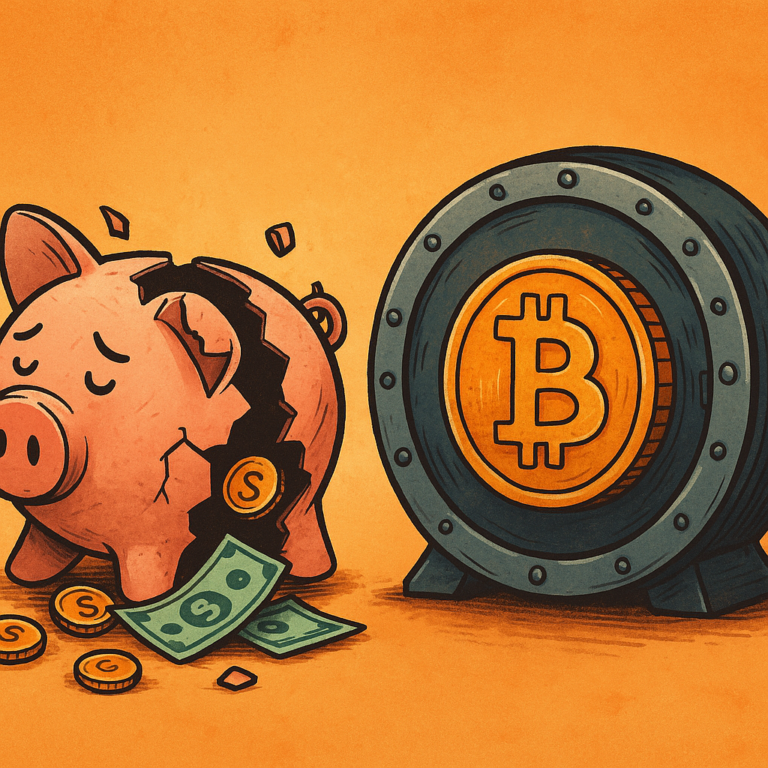
When we become more productive, goods and services should get cheaper. This rewards savers, incentivizes long-term thinking, and increases real wages—even if nominal pay remains flat.
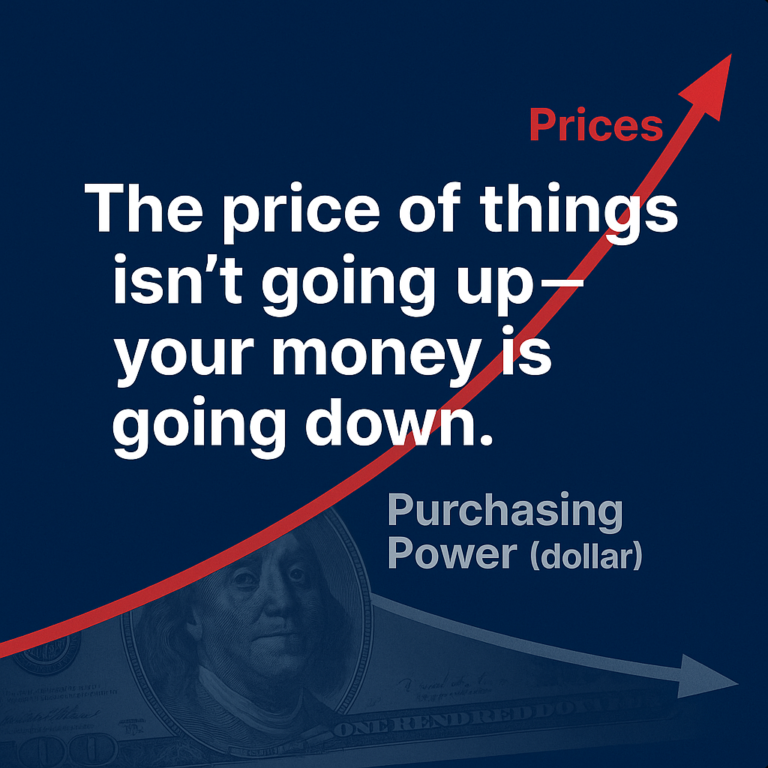
But in an inflationary system, those gains are stolen. Prices rise despite progress. Workers feel poorer even as they produce more. The system punishes productivity to prop up debt and consumption.
Inflation Prolongs Malinvestment
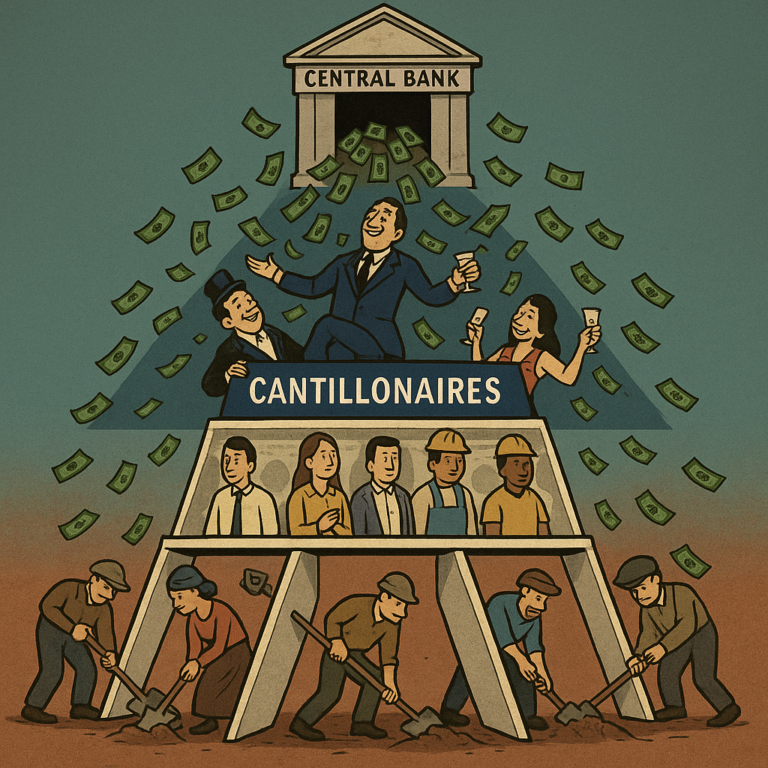
By keeping interest rates artificially low and pumping liquidity into markets, inflation enables the survival of zombie companies and bloated bureaucracies. It misallocates capital. It rewards speculation over stewardship.
In a sound-money world, failure happens faster—but so does recovery. Bad ideas die quickly. Good ideas flourish. Capital flows to its highest use, not to whoever’s closest to the central bank.
Bitcoin Enables Honest Growth
Bitcoin aligns incentives with reality. Its fixed supply forces capital discipline. Companies must create real value, not chase easy money. Entrepreneurs must build sustainably, not ride monetary waves.
In a Bitcoin economy, growth emerges from creativity, efficiency, and service—not monetary manipulation. It’s slower, steadier, and stronger.
The Bottom Line
- Inflation is not required for growth—it’s often the reason growth feels fake.
- Progress comes from productivity, innovation, and savings—not printing.
- Bitcoin lets deflation do its job. Fiat fights it to protect a broken system.