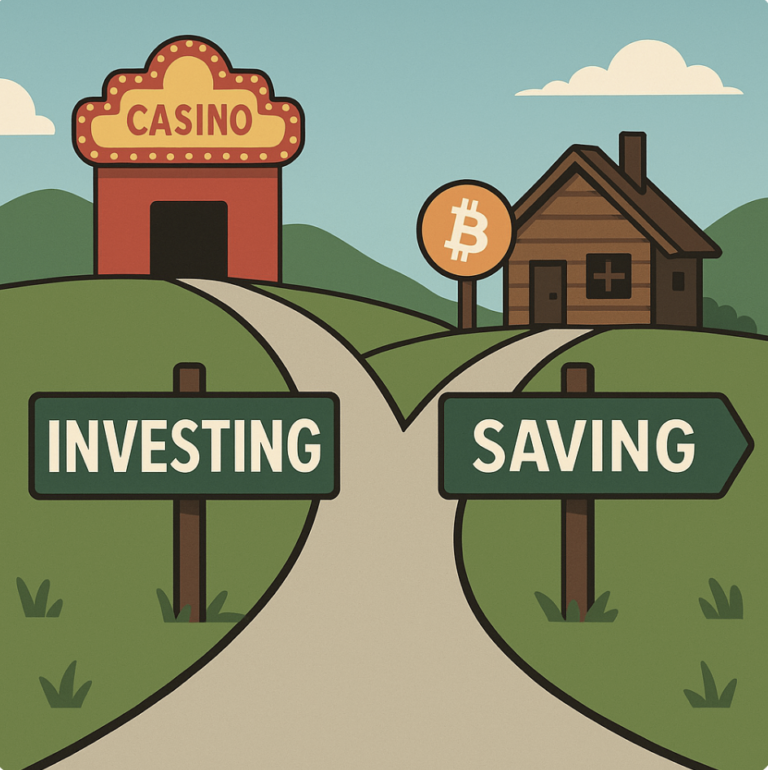
If they can print the money, why do they still need yours?
If Government Can Print, Why Tax?
Modern governments have abandoned any pretense of monetary restraint. Central banks can conjure currency out of nothing, funding endless wars, bailouts, and bureaucracies. So if the printing press is always running—why do they still demand a cut of your paycheck?
The answer isn’t financial—it’s psychological. Taxation isn’t about raising revenue. It’s about reinforcing obedience.
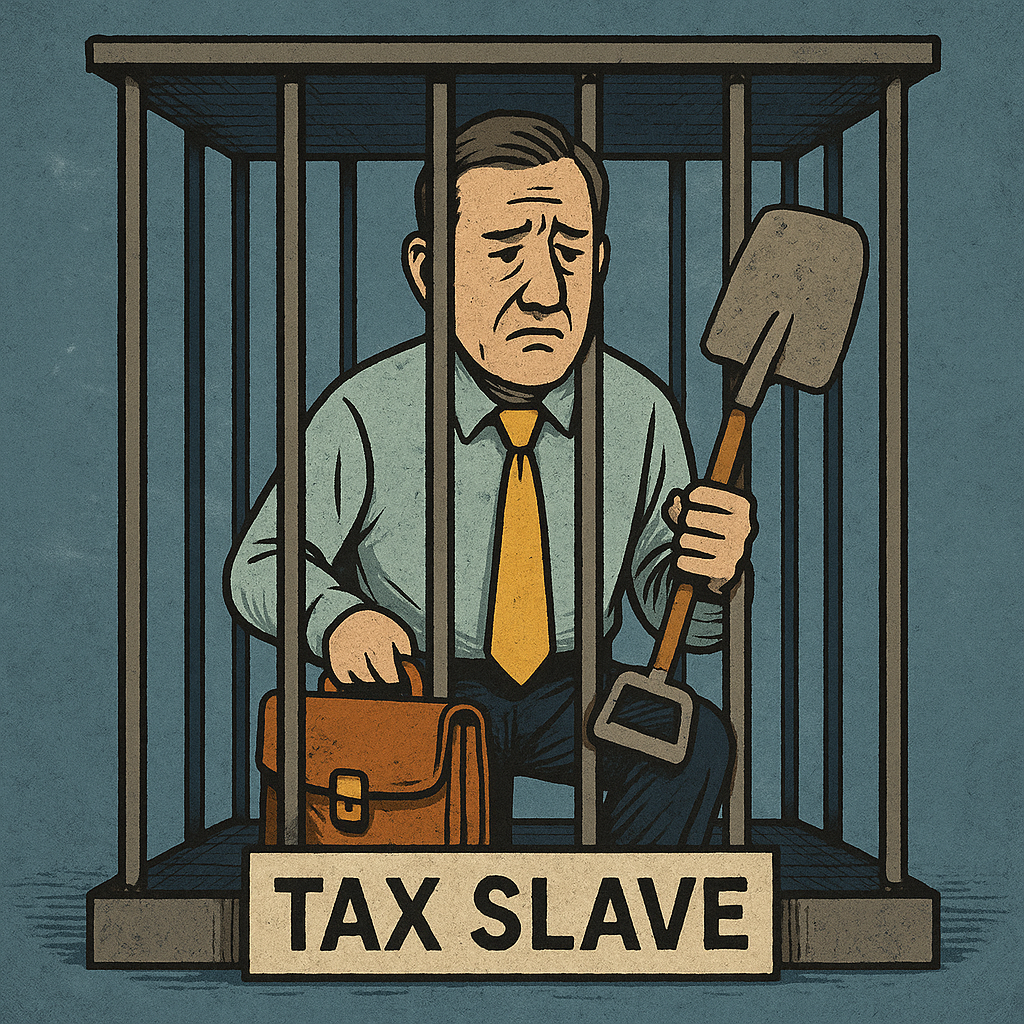
Taxation Enforces Control, Not Cooperation
When you are forced to pay under threat of fines, asset seizure, or imprisonment, that’s not cooperation—it’s coercion. And yet, we’ve been conditioned to believe taxation is the cost of civilization.
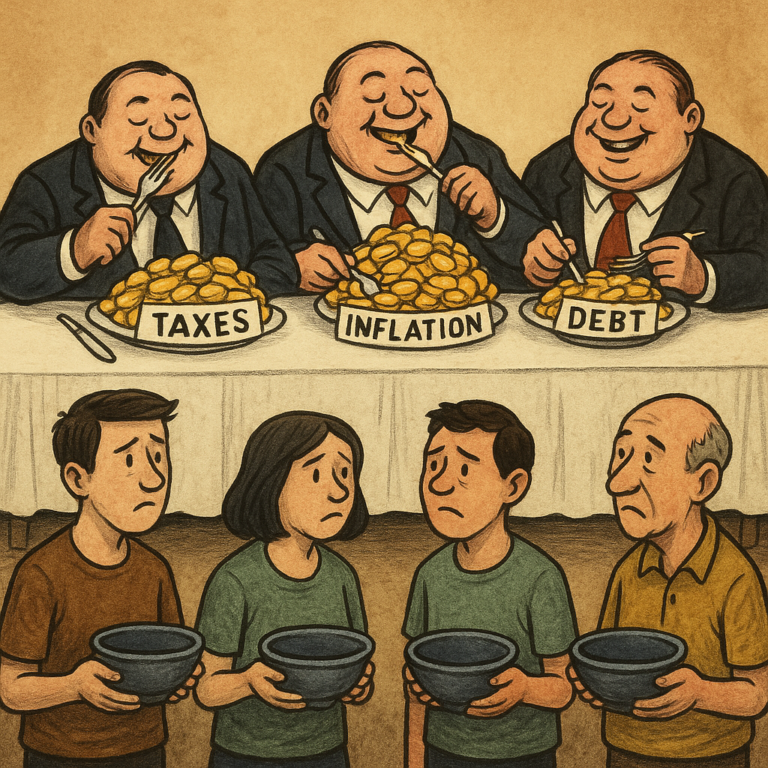
In truth, it’s the cost of control. Taxes maintain the illusion of legitimacy in a system where governments already have unlimited access to money. You’re not funding services—you’re fuelling authority.
Legal Tender Laws + Taxation = Monetary Monopoly
Governments don’t just tax—they dictate what currency those taxes must be paid in. This is the linchpin of monetary monopoly. If you must pay taxes in fiat, you are forced to use fiat. No alternatives can compete.
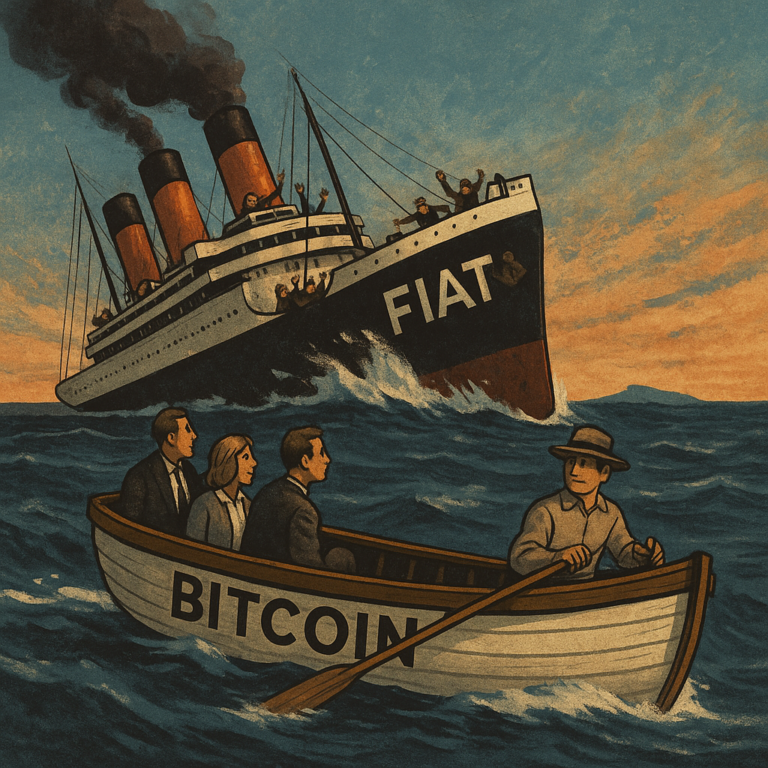
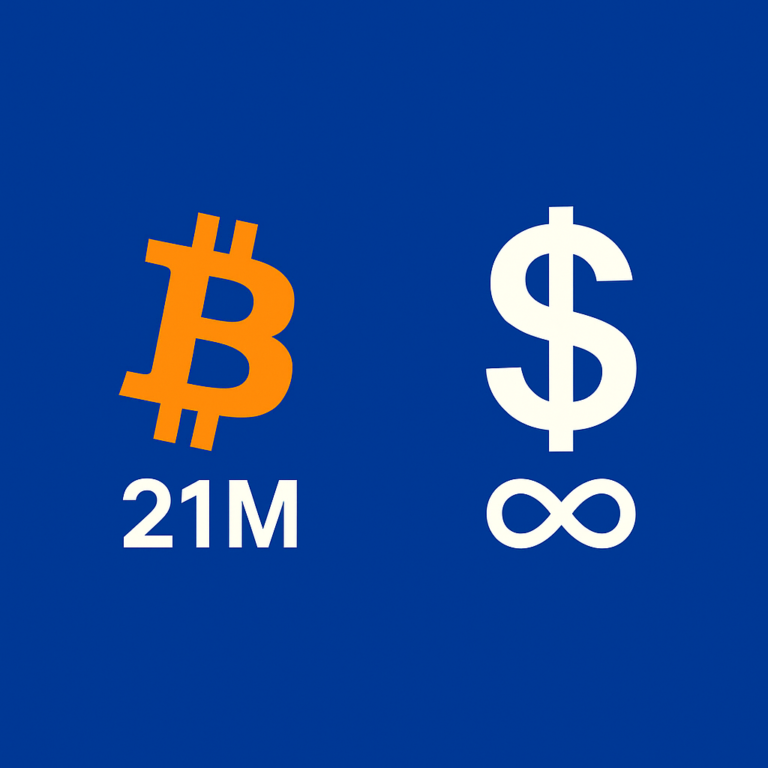
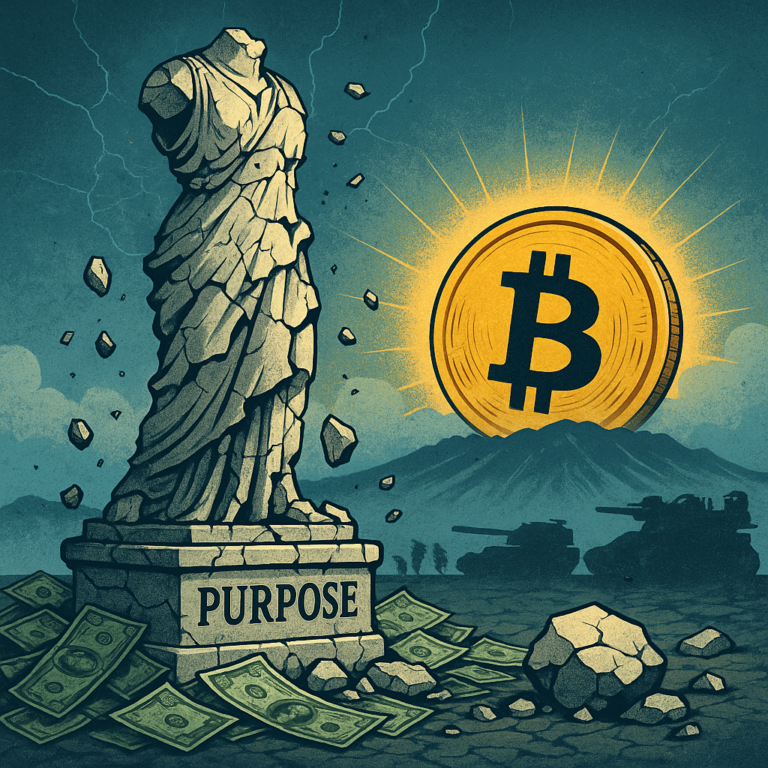
This shuts the free market out of public finance. Even if better money exists (like Bitcoin), it cannot displace fiat so long as taxes anchor the system. The government guarantees its currency’s dominance not by merit, but by mandate.
Monopoly on Money Becomes Monopoly on Services
This monetary monopoly spills into every other domain. Because the state controls the funding mechanism, it also dominates services: education, healthcare, roads, defense. You don’t get to opt out—and neither can prospective alternative providers hope to compete.
This creates a false sense of “free services” while stifling innovation. The private sector can’t compete when the state taxes you upfront, then offers you a degraded product at no marginal cost.
Public Services Are Far More Expensive Than They Should Be
Here’s the hidden cost: most government services cost far more than a market alternative would. Bureaucracy, inefficiency, and political incentives bloat every budget. Education, healthcare, and infrastructure could be delivered better and cheaper—but you’re not allowed to choose.
If taxpayers were free to allocate their money voluntarily, many would spend less and receive more. But the coercive nature of taxation means you inevitably overpay for services you may not want, use, or approve of.
Voluntary Exchange Beats Coercion
The free market is built on consent. If you don’t like a service, you stop paying. That pressure drives prices down and quality up.
Taxation has no such mechanism. It funds failure with no consequence. It protects incumbents and punishes innovation.
The Bottom Line
- Taxation isn’t a civic duty—it’s a mechanism of control.
- It props up fiat, enforces monopolies, and blocks competition.
- Voluntary exchange is morally superior and economically smarter. Bitcoin makes it possible again. And when coercion ends, real civilization can begin.