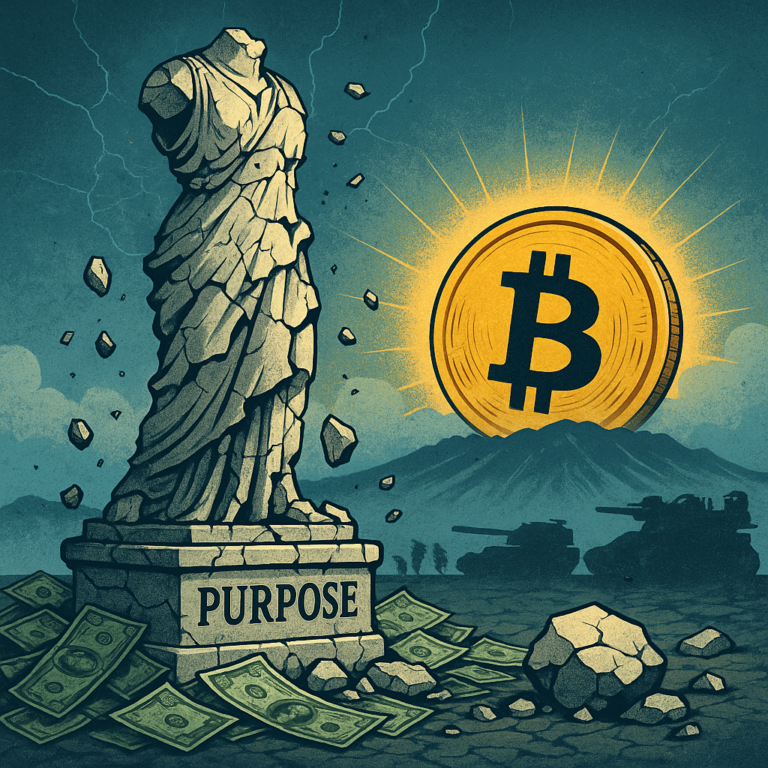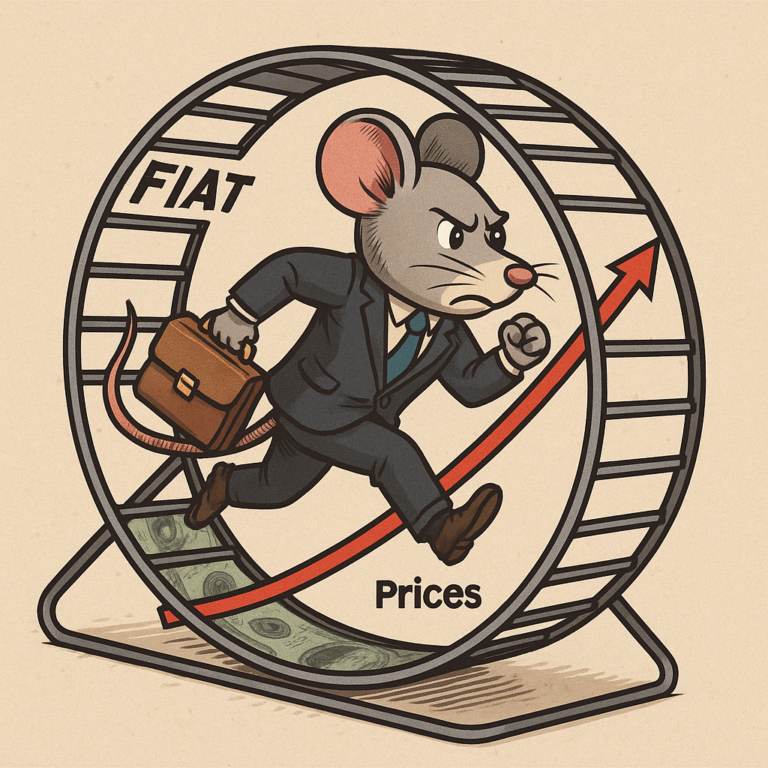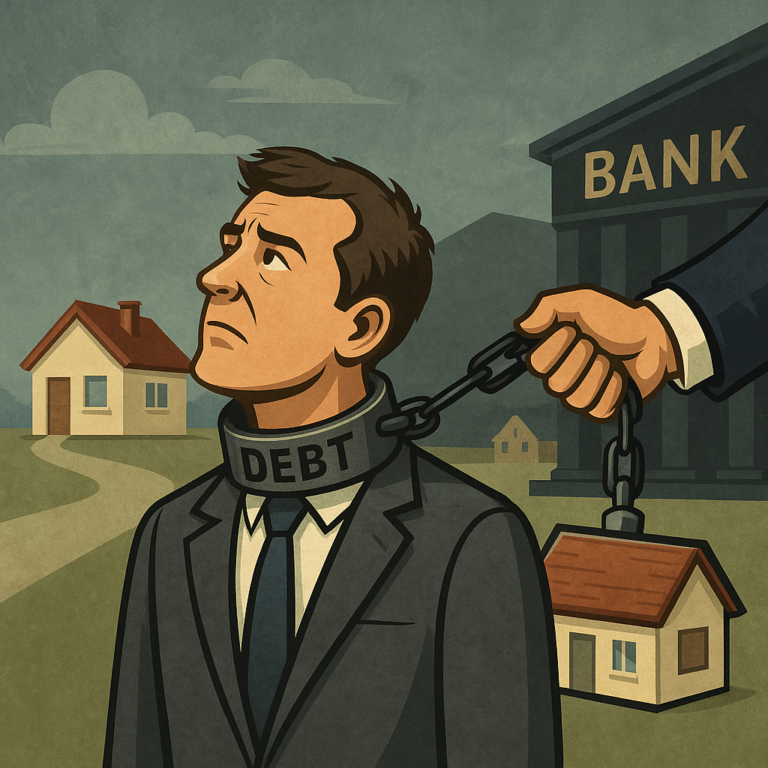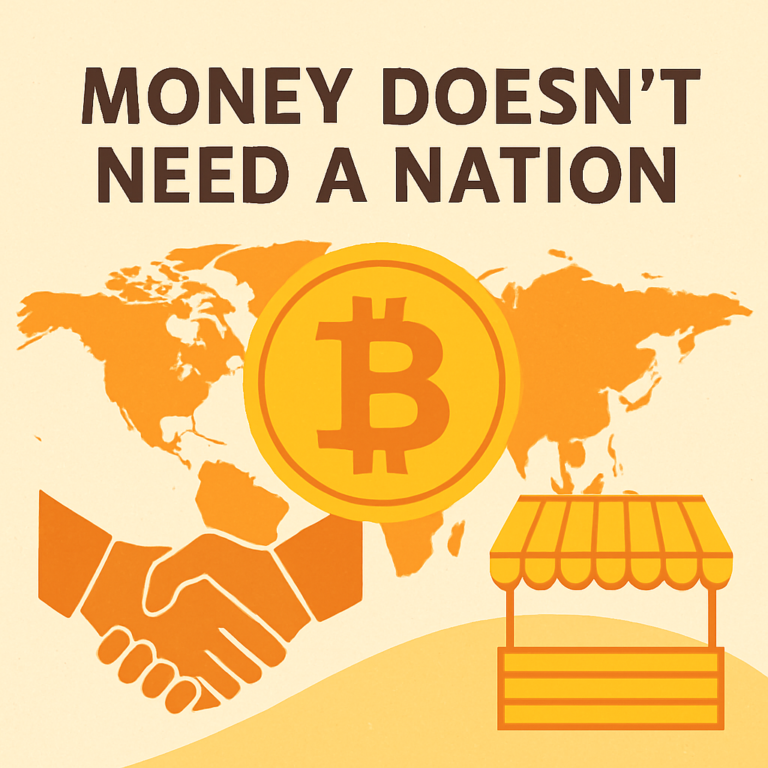
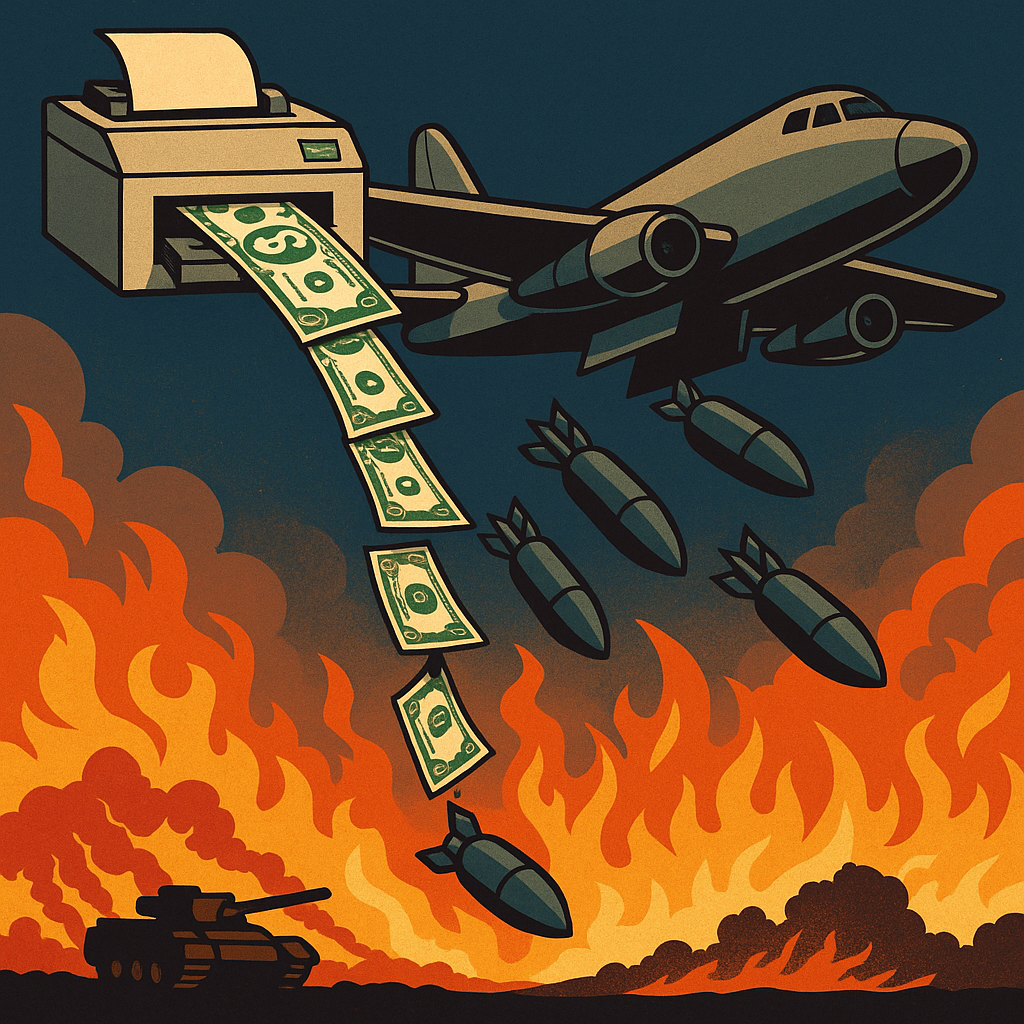
Without the money printer, war would be rare, confined, and self-limiting. With it, war is policy.
Sound Money Limits the State’s Appetite for War
When money is sound—anchored to something scarce, like gold—governments are forced to live within their means. Wars are expensive, and citizens must be taxed directly to fund them. This creates friction, resistance, and scrutiny. People demand justification when they feel the cost upfront.
Under a sound money, going to war would require direct taxation and consent of the citizens. Under fiat money, public consent is not a prerequisite and the state can go to war by simply firing up the money printer.
Fiat Lets Governments Fund Destruction Without Consent
With fiat currency, governments can wage war on credit. They don’t need to raise taxes or ask permission. They can simply borrow from their citizens’ future and print the difference today. This removes the public from the decision-making process and allows policymakers to act with impunity.
The true cost of war is paid not in budget debates but in inflation, debt, and lives.
The Military-Industrial Complex Runs on Fiat
The military-industrial complex—first warned about by President Eisenhower—isn’t just an alliance between arms manufacturers and politicians. It’s a demand engine. Weapons must be used so they can be replaced. Conflicts must be prolonged to justify budgets. Enemies must be invented to maintain relevance.
And all of it is funded through fiat. Defense contractors receive billions in government contracts, fueled by printed money. That money then flows back into lobbying, campaign donations, and media narratives that push for escalation.
The cycle feeds itself: fiat funds militarism, and militarism justifies more fiat.
Without Fiat, Total War Would Be Impossible
World War I was the first mechanized slaughter in human history—and it was made possible by central banking. When gold reserves ran low, governments suspended convertibility and printed currency to sustain the war machine. That precedent—money without backing—has never been reversed.
World War II, Vietnam, Iraq, and the forever wars that followed were all financed in the same way. Without fiat, these conflicts would have bankrupted their initiators. With fiat, they became open-ended business models funded by blank cheques.
Bitcoin Makes Peace Profitable
If bitcoin becomes the world reserve currency, it would impose hard limits on government spending. Since it cannot be printed or inflated, it will force governments to prioritise, economise, and justify conflicts abroad. If citizens store their wealth in Bitcoin, the state can no longer stealth-tax them to fund wars they never approved.
But more than that, Bitcoin shifts the incentives. In a world where sound money reigns, prosperity comes from cooperation, not conquest. Trade is better than theft. Innovation beats invasion. The war machine ceases to be funded. And war becomes economically suicidal.
The Bottom Line
- Fiat enables perpetual war. Bitcoin disrupts the war machine.
- Sound money doesn’t just protect your savings—it protects your sons and daughters.
- The next peaceful era won’t come from a treaty. It will come from sound money that can’t be printed and peace that finally pays.